Ismail, M. H., "اندماج المحلی بالعولمي فی الإعلام العربی", المجلة المصرية لبحوث الرأي العام, vol. 12, issue 3, pp. 1-69, 2013. Abstract

n/a

Ismail, M. H., "تمثلات وسائل الإعلام التقلیدیة والجدیدة فی کاریکاتیر الصحف العربیة: دراسة حالة لثورة 25 ینایر المصریة", المجلة العربية لبحوث الاعلام والاتصال, vol. 5, issue 1, pp. 88-117, 2014. Abstract

n/a

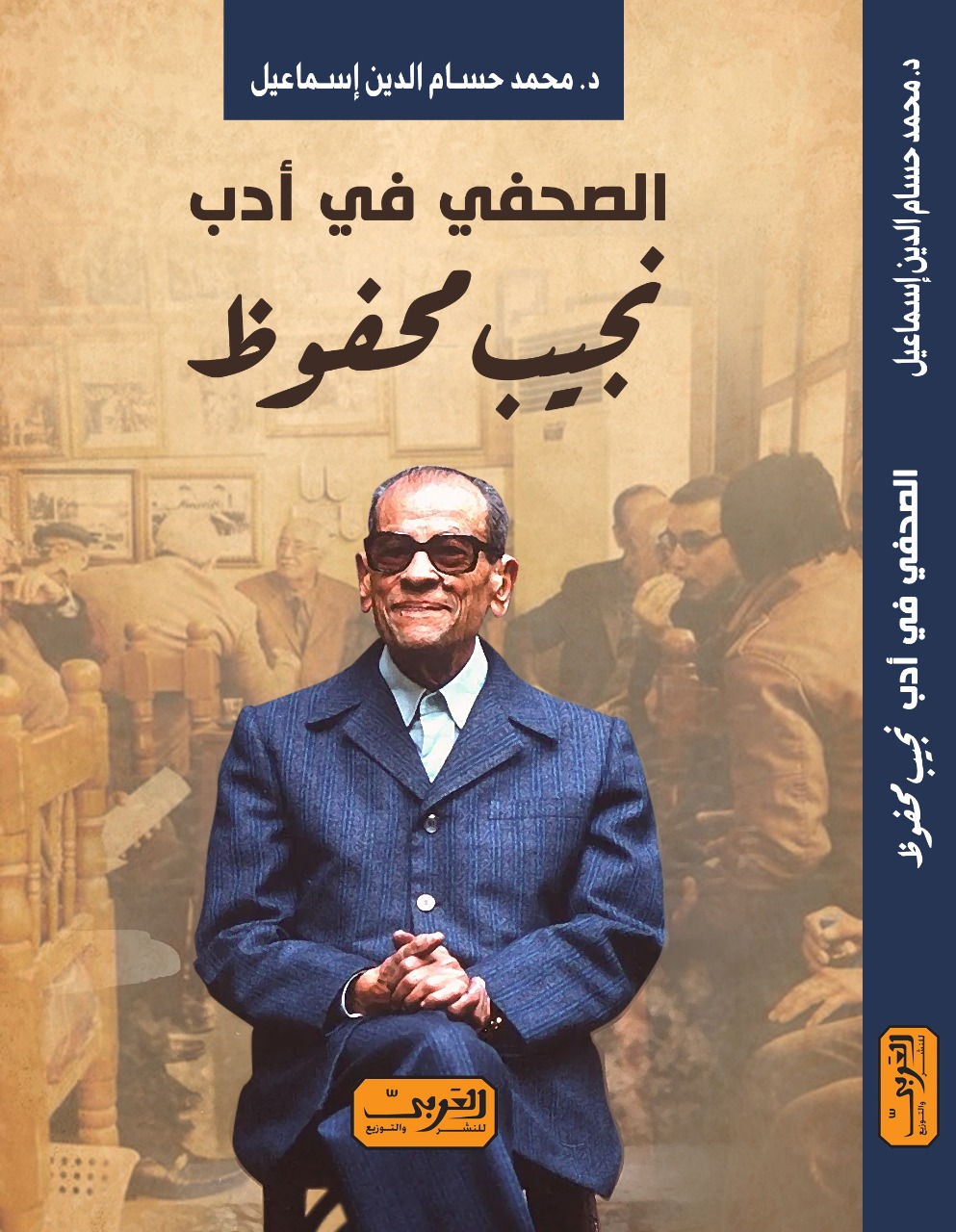
Ismail, M. H., الصحفي في أدب نجيب محفوظ, , القاهرة, العربي للنشر والتوزيع, 2021. cover_two.jpeg
Ismail, M. H., "الاتجاهات الحديثة فى مجال الصحافة الدولية", المجلة العلمية لبحوث الصحافة , vol. 9, issue 1, pp. 1-38, 2017. Abstract

n/a

Ismail, M. H., "الاتجاهات الحديثة فى مجال الإعلام الدولى والدراسات الثقافية", المجلة العلمية لبحوث الصحافة, vol. 1, issue 2, pp. 13-27, 2015. Abstract

n/a

Ismail, M. H., "Experiences of listening to the Qur'an in Egypt: A qualitative phenomenological study of therapeutic and recreational listening", Contemporary Islam, vol. 17, no. 1: Springer Science and Business Media B.V., pp. 109 – 131, 2023. Abstractexperiences_of_listening_to_the_quran_in_egypt.pdfWebsite

This is an interdisciplinary study that explores the impact of listening to the Qur'an on the physiological and psychological statuses of an average Egyptian Muslim. It is a transcendental phenomenological study that intersects with theories and concepts from different disciplines including reception studies, media, and popular culture analysis. The study uses two tools that are common in transcendental phenomenological studies: journals, memoirs, and in-depth interviews. Such tools help investigating the experience of listening to the Qur’an as an ongoing stream of consciousness. The study aims at exploring the phenomenon of listening to the Qur’an from the points of view of six participants who are heavy listeners of the Qur’an and are in the habit of writing memoirs and diaries, as a multi-case study purposive sample. The study reveals that the ritual practice of listening to the Qur'an differs from one person to another depending on several factors mainly gender and educational background. Analysis of the replies of the study respondents sheds light on the positive influence of listening to the Qur’an, and the characteristics of a good reciter from Muslims’ point of view. Future studies on a bigger sample are highly recommended so as to gain deeper insights into the influence of this Islamic ritual, leading to possible generalization. © 2023, The Author(s).

Ismail, M. H., "Postmodern analysis of new preachers of Islam in Egypt: A cultural study of mustafa hosni’s digital media platforms", Media Watch, vol. 11, no. 1: Media Watch, pp. 145 – 163, 2020. AbstractWebsite

In recent years, Arab academia inspected the phenomenon of new preachers of Islam, especially in Egypt, predicted on such notions as new liberalism, self-help, and salvation. This study contributes to the scholarship by examining the postmodern characteristics of Mustafa Hosni’s discourse, as appears in his new media materials. Drawing upon insights from media cultural studies, the paper examines the mini-narratives of a tolerant, non-violent Muslim discourse as opposed to the customarily hostile Muslim meta-narratives. Further, the study analyses all sorts of pastiche that render Hosni’s discourse hybrid, glocal, and coexistent. It uses qualitative discourse analysis to shed light on the nexus between forms of religious discourse and the logic of media consumption in Muslim late neo-liberal capitalism. © Media Watch.

Ismail, M. H., "The representations of journalists in Naguib Mahfouz’s novellas: How are they reflected in today’s journalism in Egypt?", Journal of Arab and Muslim Media Research, vol. 16, no. 2: Intellect Ltd., pp. 223 – 243, 2023. AbstractWebsite

This interdisciplinary study explores representations of journalists linking literary criticism with media cultural studies. The researcher examines works from the sixties by Nobel laureate writer and novelist Naguib Mahfouz. While the article concentrates on Mahfouz’s works dealing with journalism, it presents a qualitative analysis of three novellas of his from the sixties: The Thief and the Dogs, The Beggar and A Drift on the Nile. In these works, Mahfouz presents cogent and well-founded arguments on the image of the Egyptian journalists, which manifest itself until now. The article argues that the psychological and social aspects of journalism that Mahfouz delineates are recalled nowadays in the vast, ubiquitous mediascape Egypt inhabits as evidence of the self-perpetuated nature of the master-ful Egyptian culture. In this work Norman Fairclough’s model of discourse analysis is employed to survey the roles and characteristics of journalists in a context of power and ideology during President Nasser’s regime and shows not only how they are similar to those of journalists nowadays but also the evolution of journalists under el-Sisi neo-authoritarianism. It also draws on the thoughts of theorists like Lucien Goldmann, mainly the concept of ‘world vision’ to inspect the problem of the identity of Egyptian journalism. The study concludes that these three novels show journalists’ negative image as traitors, subservient to political power, sell-ers of trivia or full of nihilism. Mahfouz’s representations reflect the outputs of Egyptian media milieu under authoritarian Nasser’s era. The article reflects upon contemporary authoritarian regime in Egypt, discussing the types of media prac-titioners currently exist who almost repeat the almost-closed cultural circle, only with a complete control of intelligence apparatus. © 2023 Intellect Ltd Article. English language.

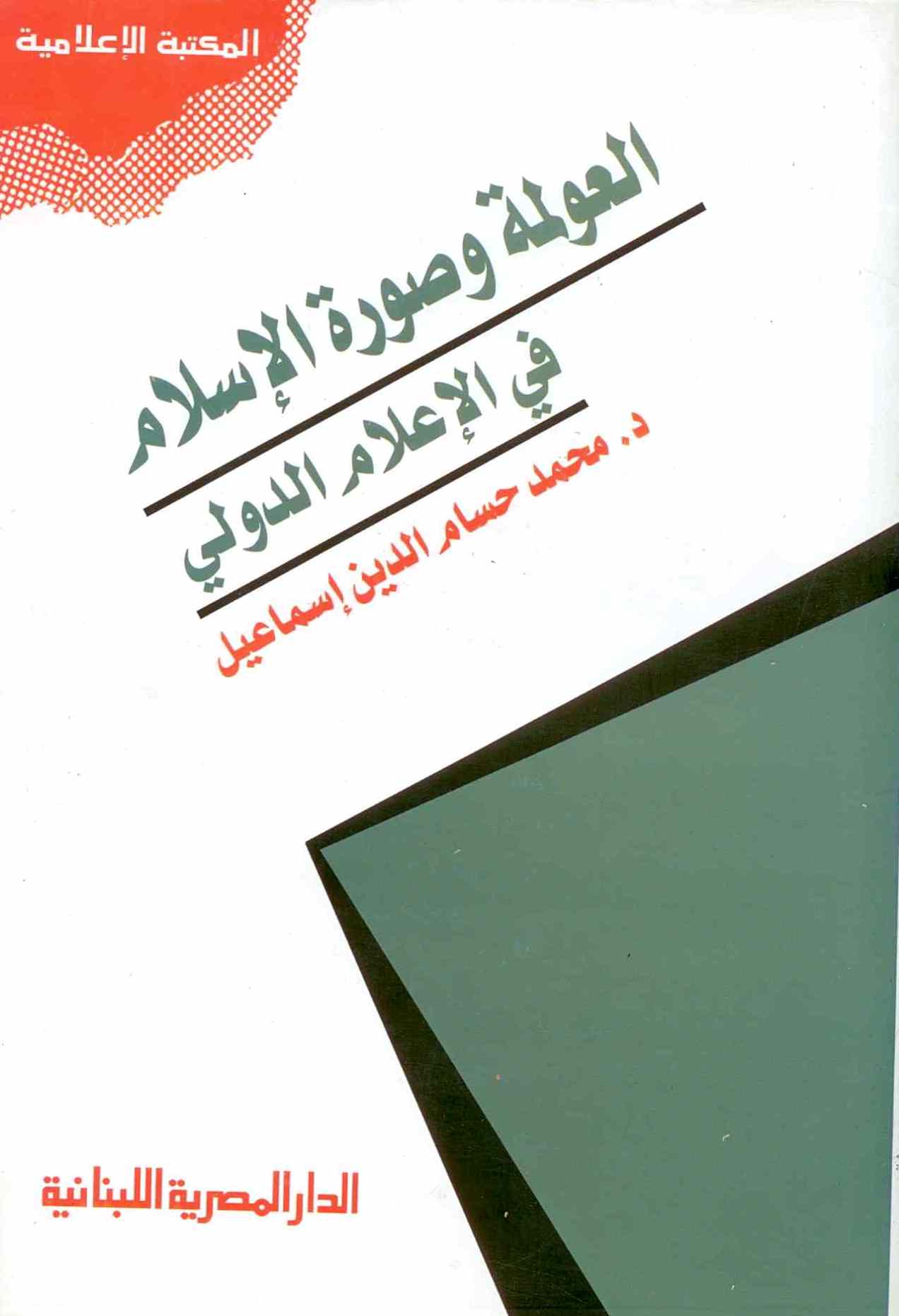
, العولمة وصورة الإسلام في الإعلام الدولي , , القاهرة , الدار المصرية اللبنانية , 2014. glf_lwlm_wswr_lslm.jpg
Tourism